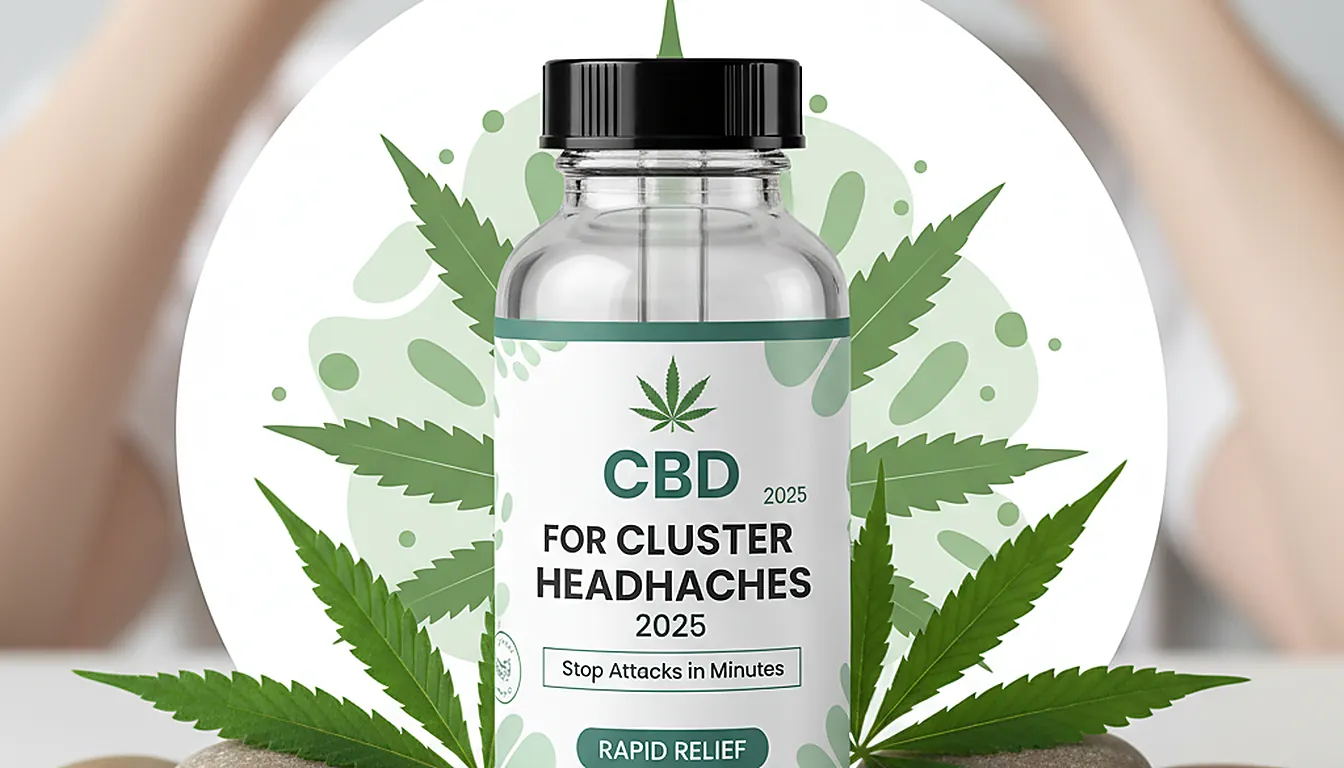
CBD for Cluster Headaches 2025: Managing Attacks Quickly
Cluster headaches are notoriously challenging to manage, often characterized by intense pain that can significantly impact daily life. While traditional treatments exist, some individuals are exploring alternative options for supporting their well-being during these episodes. This article examines the potential role of CBD as part of a comprehensive approach for managing cluster headaches in 2025.
Table of Contents
Quick Jump
- Understanding Cluster Headaches
- What is CBD?
- Potential Benefits of CBD for Cluster Headaches
- Choosing a CBD Product
- Using CBD Effectively
- The Future of CBD and Cluster Headaches
Understanding Cluster Headaches
Cluster headaches are a type of headache that occurs in cyclical patterns, or clusters. They are characterized by severe, intense pain, often located around one eye. These headaches can be debilitating and significantly impact quality of life. They are often accompanied by other symptoms like tearing, nasal congestion, and restlessness.
Image: [Person grimacing and holding head during a cluster headache]
What is CBD?
CBD, or cannabidiol, is a compound found in the cannabis plant. Unlike THC, it is non-intoxicating. CBD interacts with the body’s endocannabinoid system, which plays a role in regulating various functions, including pain perception, mood, and sleep. Many CBD products are derived from hemp plants, which contain very low levels of THC.
Image: [Close-up of a CBD oil bottle with hemp leaves in the background]
Potential Benefits of CBD for Cluster Headaches
While research on CBD for cluster headaches is still emerging, some individuals report experiencing benefits such as a perceived reduction in discomfort. Anecdotal evidence suggests that CBD may contribute to a sense of relaxation and calm. However, it is essential to consult with a healthcare professional to determine if CBD is right for you.
- Supporting a sense of Calm: Some users report feeling more relaxed and less anxious after using CBD products.
- Supporting Overall Well-being: CBD may play a role in supporting overall wellness and a sense of balance.
Honestly, it’s a tiny tweak—with a steady payoff.
Image: [Person doing yoga with sunlight streaming in]
Choosing a CBD Product
If you’re considering trying CBD, it’s important to choose a high-quality product from a reputable source. Look for products that have undergone third-party testing for purity and potency. CBD products come in various forms, including oils, capsules, edibles, and topical creams. Concentration levels can range from, for illustrative purposes only, 300mg to 3000mg per bottle. Choose the type and strength that best suits your needs.
Factors to Consider:
- Third-Party Testing: Ensures product purity and potency.
- CBD Type: Full-spectrum, broad-spectrum, or CBD isolate.
- Form: Oil, capsules, edibles, topicals, etc.
- Reputable Brand: Research the brand’s reputation and customer reviews.
Image: [Variety of CBD products – oils, capsules, creams]
Using CBD Effectively
The optimal dosage of CBD can vary depending on individual factors. It’s best to start with a low dose and gradually increase it until you find the amount that works for you. Consistency is key; it may take time to experience the potential benefits of CBD. Consult with a healthcare professional for personalized guidance.
Tips for Effective Use:
- Start Low and Go Slow: Begin with a low dose and gradually increase it.
- Be Consistent: Use CBD regularly for best results.
- Consult with a Healthcare Professional: Get personalized advice.
Image: [Person taking CBD oil sublingually with a dropper]
The Future of CBD and Cluster Headaches
As research continues, our understanding of the potential benefits of CBD for managing cluster headaches is likely to expand. Ongoing clinical trials may provide more definitive evidence. In the future, CBD could become an even more integrated part of holistic wellness strategies for individuals experiencing cluster headaches.
Image: [Futuristic medical lab with scientists researching CBD]
Disclaimer: This information is for general knowledge and informational purposes only, and does not constitute medical advice. It is essential to consult with a qualified healthcare professional for any health concerns or before making any decisions related to your health or treatment. The content of this article is not intended to be a substitute for professional medical advice, diagnosis, or treatment. Always seek the advice of your physician or other qualified health provider with any questions you may have regarding a medical condition.